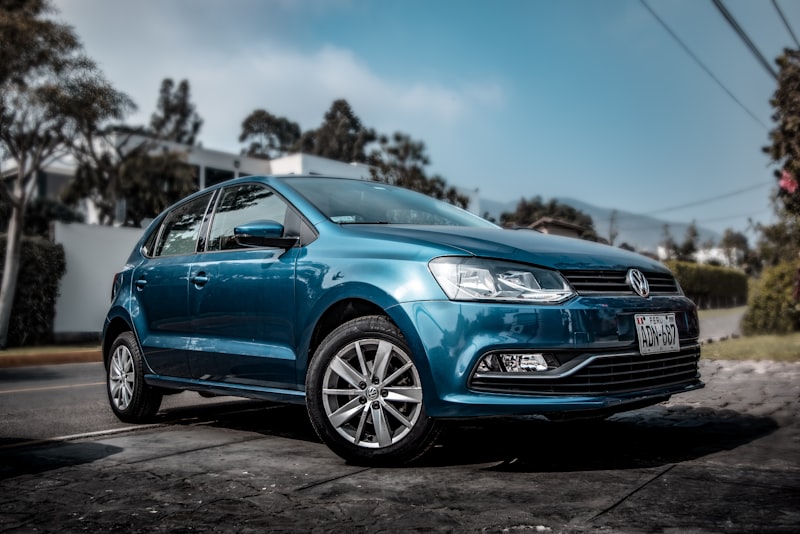
A used car can look flawless in a listing and still be hiding real problems. The photos are chosen to flatter, the description is written to sell, and a quick wash covers a lot. Your inspection is the part where you find out what's actually there, and it's worth doing carefully every single time.
You don't need to be a mechanic to catch most of the common issues. You need patience, decent light, and a plan. Work through the car in the same order each time — body, tires, under the hood, inside, and on paper — and you'll build a clear picture of how it's been treated.
Pick the right conditions#
Where and when you look matters more than people expect. Always inspect a car in daylight, ideally on a dry day, parked somewhere flat and open. Bright sun and clean, dry paint make dents, ripples, and mismatched panels far easier to see than a dim garage or a rain-soaked lot ever will.
Ask the seller to have the car cold when you arrive. A cold engine tells the truth: it lets you watch how the car starts from scratch and makes it harder to mask a rough idle or a hard start. If you turn up and the engine is already warm, be a little suspicious and plan to come back another time.
Read the body for its history#
Walk a slow lap around the car and look down each side at an angle. Panels that line up cleanly, with even gaps between them, suggest a car that's never been in a serious crash. Uneven gaps, paint that doesn't quite match from one panel to the next, or a slightly rippled surface can mean bodywork after an accident.
Rust is the other big thing to hunt for, because it spreads and it's costly to fix properly. Check the sills, wheel arches, floor edges, and the bottoms of the doors, and get down to look underneath if you can. Surface spots are one thing; flaking, bubbling metal or rust you can push a finger through is another matter entirely.
Don't ignore the small stuff either. A short checklist keeps you honest:
- Even panel gaps and consistent paint colour
- No bubbling, flaking, or soft rust on the underside and arches
- Windscreen free of cracks and large chips
- Lights, mirrors, and trim all present and undamaged
Check the tires and what they tell you#
Tires are cheap to replace but expensive as a clue you ignored. Run your hand across each tread and look at the wear across the width of the tire, not just the middle. Even wear across all four is a good sign. Wear that's heavy on one edge often points to alignment or suspension trouble, and mismatched or oddly worn tires can hint at a problem the seller hasn't mentioned.
Check the depth of the tread while you're there, and glance at the sidewalls for cracks or bulges. Worn tires aren't a dealbreaker on their own, but they're a real cost, and they belong in the price conversation.
Look for the spare and the tools too, if the car is meant to have them. A missing spare, jack, or wheel-lock key is a small thing to replace, yet it hints at a car that's been picked over or neglected, and it's another point you can raise. While you're crouched by the wheels, glance behind them at the brake discs: a deep lip around the edge or heavy scoring suggests the brakes have real wear left to pay for.
Look under the hood and at the fluids#
Pop the hood before you start the engine and take a look around. You're not diagnosing anything complex — you're looking for signs of neglect or leaks. Check the oil on the dipstick: it should be there, at a sensible level, and not a milky, gritty, or burnt mess. Learning how to check your car's fluids first makes this part far more useful, because you'll know what healthy fluid looks like.
Scan the ground under the car for fresh drips, and look around the engine for oily film or crusty residue that suggests a slow leak. Coolant should be at its mark and a clean colour, not brown sludge. Then start the car cold and watch the exhaust for a moment: a puff on a chilly morning is normal, but thick blue or white smoke that keeps coming is not.
Take your phone and photograph anything that concerns you. It's easy to forget a small leak or an odd noise by the time you're sitting down to talk price, and photos keep you grounded.
Test the electronics and the interior#
Modern cars carry a lot of electrics, and faults here are both annoying and telling. Sit inside and methodically work through everything. Windows up and down, central locking, air conditioning blowing cold and heating blowing hot, wipers, every light, the infotainment screen, the reversing camera, and each seat adjustment. One dead feature might be trivial; several usually point to a car that's been let go.
Watch the dashboard when you turn the key. The warning lights should come on and then go out as the car starts. A check-engine or airbag light that stays lit is a signal to stop and ask hard questions, and any seller who's disconnected a warning light rather than fixing the fault has told you something important.
Spend a minute on the interior itself, because it records how hard the car's life has been. A worn steering wheel, shiny seat bolsters, and tired pedal rubbers on a car with supposedly low mileage don't add up, and that mismatch is worth chasing. Sniff for damp or musty smells that point to a water leak, lift the boot mat to check for moisture or rust in the spare-wheel well, and make sure the seatbelts pull out and lock as they should.
Verify the car on paper#
The final part of the inspection isn't on the car at all. Pull a vehicle history report using the identification number, and confirm that number matches across the windscreen, the door frame, and the paperwork. The report can flag reported accidents, previous write-offs, odometer discrepancies, and outstanding finance the car might still be carrying.
No report catches everything, so treat it as one layer rather than the whole answer. Pair it with your own eyes and, for any car you're serious about, an independent mechanic's inspection. When the car checks out on the ground and on paper, you're ready to move on to how to test-drive a car and feel how it behaves at speed.
A thorough inspection rarely takes more than an hour, and that hour is the cheapest protection you'll ever buy. Trust what the car shows you over what the seller says, write down what you find, and let the honest cars earn your money. The ones with something to hide almost always give themselves away if you're patient enough to look.