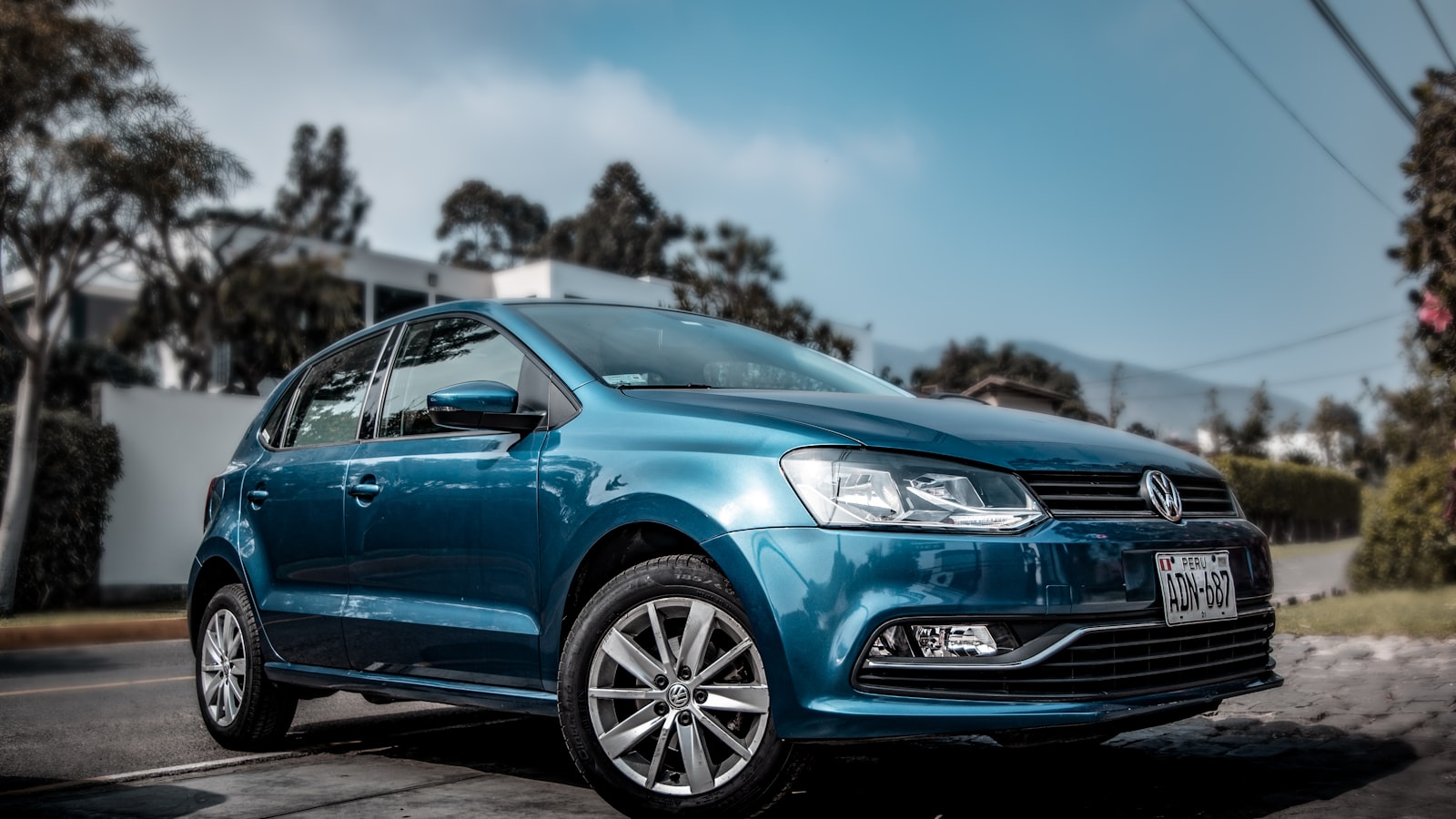
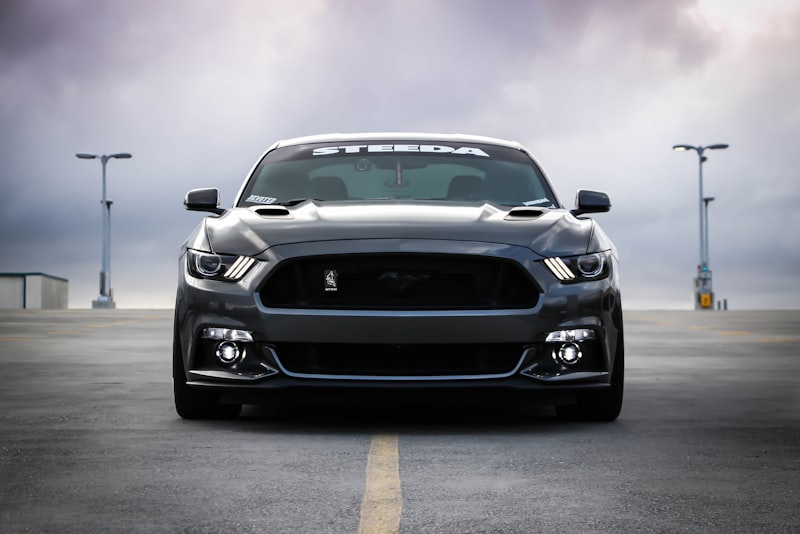
A used-car listing is a sales pitch, not a report. Every word and photo is chosen to make you want the car, which is fine — that's what listings are for. The skill is reading between the lines to work out what's actually being said, and what's being carefully left unsaid.
Get good at this and you save yourself a mountain of wasted trips. A sharp eye on the listing tells you which cars are worth a phone call and which to scroll straight past, long before you've spent an afternoon standing in someone's driveway. Here's what to look for.
Read the words, not the mood#
Sellers reach for certain phrases when they'd rather not give you facts, and those phrases are worth noticing. Language that leans on feeling instead of detail is often filling a gap. A few common ones and what they can quietly mean:
- "Runs great" with no service history — sounds reassuring, proves nothing
- "Selling for a friend" — the person listing it may not actually know the car
- "Quick sale needed" — a nudge to hurry you past your own questions
- "Some minor marks" — worth seeing in person, because "minor" is doing a lot of work
- "No time-wasters" — sometimes a fair filter, sometimes a seller who dislikes questions
None of these is proof of anything on its own. What matters is the balance. A good listing is specific: it gives the service history, names recent work, states the number of owners, and mentions the faults plainly. A listing that's all warmth and no detail is asking you to supply the trust it hasn't earned.
Pay attention to what's simply absent, as well. If a listing never mentions service history, whether the car has one full year of paperwork or none at all is left for you to guess, and sellers rarely leave out good news. The same goes for the number of owners, the reason for selling, and any recent major work. A blank where a fact should be isn't neutral; it's usually a soft "no" dressed up as an oversight.
Weigh the price against reality#
Price is the fastest signal in any listing, in both directions. Before you get excited or dismissive, check what the same make, model, year, and mileage sells for in your area so you know where this one sits.
A price that's far above the market is usually just an optimistic seller, and often negotiable. A price that's far below it is the one to be careful with. A genuine bargain exists, but a suspiciously low number more often hides something: a looming major repair, an accident in its past, outstanding finance, or a title problem. In the worst cases, a too-good price is the bait in an outright scam.
When a deal looks too good to be true, treat the low price as a question, not a gift. Ask yourself what would make a rational seller price it this far under everyone else, then go find out before you get attached.
Read the mileage story#
Mileage tells you a lot, but only in context. Compare it against the car's age. A car that covers roughly average distance each year is unremarkable. One with unusually low mileage for its age isn't automatically a prize — a car that's barely moved can develop its own problems from sitting — and one with very high mileage isn't automatically doomed if it's been serviced and driven gently.
What matters most is whether the numbers make sense together. A full service history should show the odometer climbing steadily over time. Gaps in that record, or readings that don't line up, are a reason to slow down. Odometer tampering still happens, and a history report tied to the identification number is how you check the reading against what's actually documented.
Think about the kind of miles, not just the number of them. A car that spent its life on long motorway runs is often in better shape than one with the same reading built up from short city trips, stop-start traffic, and cold engines that never fully warmed through. A listing rarely spells this out, but the previous owner's location and the reason for selling sometimes hint at it, and it's a fair question to ask when you call.
See what the photos aren't showing#
Photos are chosen to flatter, so read them for what's missing as much as what's there. A serious seller shows the car from all sides, inside and out, including the engine bay, the dashboard with the mileage visible, the tires, and honest shots of any flaws. That's the sign of someone with nothing to hide.
Be wary of the opposite. A listing with only two or three photos, all from the same flattering angle, or shots so dark or distant you can't make anything out, is often hiding wear or damage. Stock images instead of the actual car are a bigger red flag still, sometimes pointing to a listing that isn't genuine at all. Look at the background too; a photo taken at night, in the rain, or cropped tight can be quietly concealing dents and rust.
Whatever the listing shows, it's a starting point rather than the truth. Everything you spot online still needs confirming in person with a proper inspection before buying, because a camera hides plenty that your own eyes and hands will catch.
The reply to your first message tells you plenty too. A genuine seller answers straightforward questions plainly: where the car is, why it's for sale, whether you can see the service history, and whether you can view it at their home. Vague answers, pressure to pay a deposit before you've seen the car, or a refusal to share the identifying details you need for a history check are all reasons to step back. A listing that reads well but crumbles under a couple of simple questions was never the deal it looked like.
Turn a good listing into a good buy#
Reading listings well is really about spending your time on the right cars. Favour the ones that are specific, honestly photographed, sensibly priced, and consistent in their details, and don't waste weekends on the vague, the suspiciously cheap, or the ones with something obviously left out.
When a listing survives that scrutiny, the next steps are the fun ones: call with your questions, see it in daylight, and drive it. From there, how to buy a used car walks through checking it out and closing the deal without regrets. A listing can only ever tell you where to look — but reading it with a clear, slightly skeptical eye is what points you at the cars actually worth your money.