For most electric car owners, home charging is where the whole thing clicks. Instead of driving somewhere to refuel, you plug in when you get home and the car sorts itself out overnight, ready by morning. It's the part of EV life that feels genuinely easier than a petrol car.
But setting it up raises a few real questions. Do you need special equipment? What does installation involve? How much does it actually cost to charge? None of it is complicated once explained, and getting it right up front makes ownership far smoother.
Plug versus wallbox#
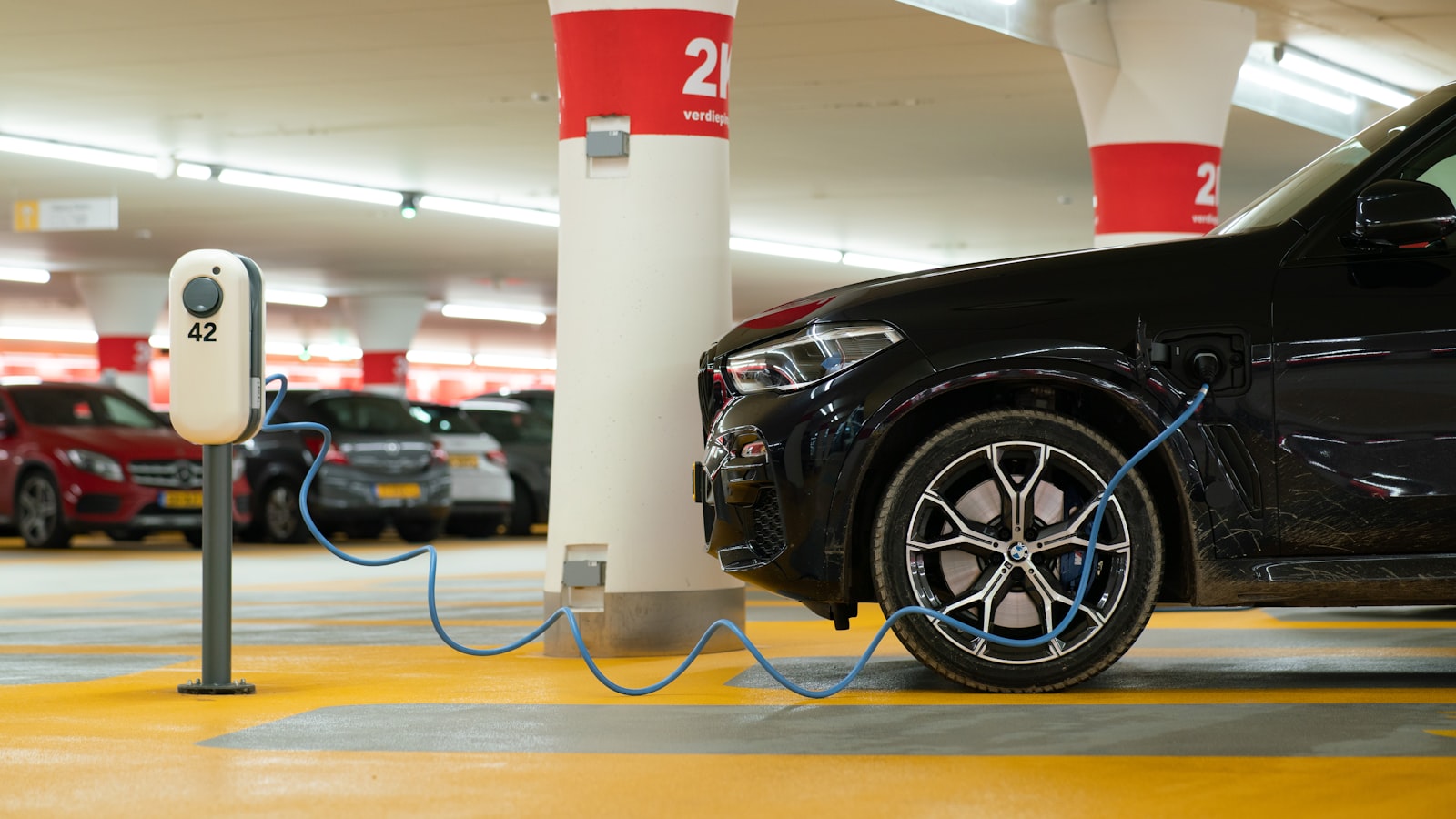
You have two basic ways to charge at home. The first is a standard household socket, using the cable that came with the car. This needs no installation at all: you just plug in. The catch is speed. A normal socket trickles in energy slowly, so it can take a long time to refill a larger battery from low.
The second option is a wallbox, a dedicated charging unit fixed to a wall and wired in properly. It delivers power much faster, comfortably refilling most cars overnight, and it's designed for the job in a way a household socket isn't.
Which one you need comes down to how you drive:
- A standard socket can be enough if you drive short distances and can leave the car plugged in for long stretches
- A wallbox is the better choice for most owners, especially anyone with a bigger battery or longer daily trips
- If you ever run a car's battery low regularly, the slow socket route becomes frustrating fast
For occasional light use a plug will do, but for most people a wallbox quickly pays back the convenience. If you're still getting your head around the different charging speeds in general, how to charge an electric car covers the wider picture.
What installing a wallbox involves#
Fitting a wallbox is a job for a qualified electrician, not a DIY afternoon. They'll check that your home's electrical supply can handle the extra load, run a dedicated circuit, and mount the unit somewhere sensible near where you park. In many cases it's a straightforward half-day job; in others, older wiring or a long cable run adds cost and complexity.
A few things shape how smooth the install is. You need somewhere to park the car within reach of the wall, ideally off-street on a driveway or in a garage. The electrician needs safe access to your consumer unit. And the distance between the two affects both the price and how tidy the finished job looks.
Get more than one quote, and ask each installer to actually look at your setup rather than pricing it blind. A tricky cable run or an upgrade to your fuse board can change the cost significantly, and you want to know that before you commit, not after.
It's also worth asking about smart features. Many wallboxes can be set to charge only during cheaper off-peak hours, or to balance the load so they don't overwhelm your supply when other appliances are running. Those features are where a lot of the long-term savings and convenience come from.
Charging overnight#
The heart of home charging is the overnight habit. You come home, plug in, and the car charges quietly while you sleep. By morning it's topped up and ready, and you've spent no time at all standing around waiting.
This is also where the money works in your favour. Many energy suppliers offer cheaper electricity rates during the night when demand is low. If you set the car or wallbox to charge during those hours, you fill up at the lowest possible cost, which is a big part of why home charging is so much cheaper than public charging.
You don't need to fill the battery to the top every night, either. For daily driving, keeping it in a comfortable middle range and only charging fully before a long trip is gentler on the battery over the years. Set it once and it becomes automatic:
- Plug in when you get home, out of habit
- Let it charge on the off-peak schedule you've set
- Wake up to a car that's ready for the day
After a week or two, you stop thinking about it entirely. The car is simply always ready, and the old ritual of visiting a fuel station fades away.
When home charging is trickier#
Not every home is straightforward, and it's better to know the awkward cases in advance. If you park on the street with no way to run a cable safely to the car, a fixed wallbox may not be an option at all, and trailing a lead across a public pavement is both a trip hazard and often against local rules. Flats and shared parking add another layer, since you may need permission from a landlord or building committee before anything can be installed.
There are workarounds, and they're improving. Some drivers rely on chargers at work, on-street posts fitted by their council, or a nearby hub they pass regularly. It's slower and needs more thought than charging on your own driveway, but plenty of people manage it. The honest point is that home charging is easiest with off-street parking, and if you don't have that, it pays to sort out a realistic plan before you buy rather than assuming it will work itself out.
A few checks are worth making before you commit to a car:
- Confirm you have somewhere to park within cable reach of a wall
- Check whether you need permission from a landlord or neighbours
- Find out if your electrical supply can take a wallbox without an upgrade
- Look at what public or workplace charging exists as a backup
What it costs to run#
The appeal of home charging is that it's usually the cheapest way to fuel a car, full stop. Charging on an off-peak overnight rate typically works out well below the cost of petrol per mile, and comfortably below what you'd pay at a public rapid charger.
The exact saving depends on your electricity tariff and how much you drive, so it's worth working out your own numbers rather than trusting a general claim. There's the one-off cost of the wallbox and installation to account for as well, which spreads out over the years you own the car. For heavy drivers, that hardware pays for itself quickly through cheaper charging; for very light drivers, it takes longer to justify.
Home charging is the biggest single reason electric cars can be cheap to run, and it feeds directly into the wider sums in the real cost of owning an electric car. Set it up thoughtfully, lean on off-peak rates, and charge overnight as a matter of routine, and the day-to-day cost and hassle of keeping an EV fed all but disappear. That quiet convenience, more than any headline figure, is what wins most owners over.