Electric cars get talked about in extremes. One camp says they'll solve everything; another says they're a compromise nobody should accept. Neither view helps when you're just trying to work out whether one would suit your actual life.
The truth is more boring and more useful: an electric car is an excellent fit for some people, a workable fit for others, and a poor fit for a few. Which group you're in comes down to a handful of practical questions, none of which involve ideology. Here's how to answer them for yourself.
Where will you charge?#
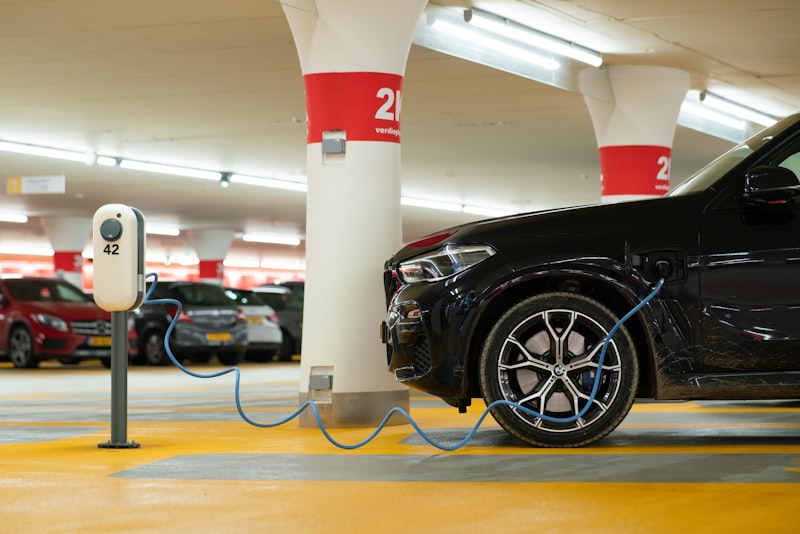
Start here, because this question matters more than any other. An electric car is at its best when you can charge where you park overnight, so the car quietly refills while you sleep and you almost never think about it. If you have a driveway, a garage, or a reliable spot to run a charger, most of the usual EV worries simply don't apply to you.
If you can't charge at home, the picture gets more complicated. It's not impossible: plenty of people run EVs relying on chargers at work, at the shops, or on the street. But you'll spend more time managing charging, and you're more exposed to broken or busy public chargers when you need them.
Before deciding, it's worth reading how to charge an EV at home to understand what a home setup actually involves. For many people, the whole decision quietly rests on whether that setup is realistic where they live.
Be honest with yourself here rather than optimistic. "There's a charger a few streets away" is not the same as charging at home, and a plan that depends on a single public charger being free and working every evening is a fragile one. If your only realistic option is public charging, an EV can still work, but map out where you'd actually plug in on a normal week before you commit, not after. The people who regret going electric almost always underestimated this one question.
Does the range fit your trips?#
The next question is whether a car's real-world range comfortably covers how you actually drive. Not your worst-imaginable day, and not the one road trip you take a year, but your normal week.
Most people drive a fairly modest distance day to day, well within the range of almost any current electric car. If that's you, range is a non-issue for daily life, and the only planning you'll do is around occasional long journeys. It helps to think in terms of real, everyday range rather than the sticker figure before you shop.
A few honest questions to ask yourself:
- How far do I really drive on a typical day, and a busy one?
- How often do I take trips longer than a single charge, and can I stop to charge on the way?
- Would occasional charging stops on long drives genuinely bother me, or just take some getting used to?
If your driving is mostly predictable and local, an EV fits easily. If you regularly cover long distances at short notice with no time to stop, it may be more of a stretch.
Do the numbers work for you?#
Money is where the honest conversation gets interesting. Electric cars usually cost more to buy than a comparable petrol car, and that higher upfront price is a real hurdle, not something to wave away.
Against that, running costs tend to be lower. Charging at home is generally cheaper per mile than buying fuel, and with no oil changes and far less to service, routine maintenance is lighter too. Over several years of ownership, those savings can offset the higher purchase price, sometimes comfortably, sometimes only partly, depending on how much you drive and what you pay for electricity.
The break-even point depends heavily on your own situation. Someone who drives a lot and charges cheaply at home may come out ahead within a few years; someone with low mileage and expensive public charging might never quite catch up.
Because the sums vary so much, it's worth working them through for your own case rather than trusting a general claim in either direction. The real cost of owning an electric car breaks down the pieces that go into that calculation.
Don't forget the cost of borrowing, either, if you're financing the car. A higher purchase price usually means larger monthly payments, and cheap running costs don't help much if the repayment stretches your budget every month. Some buyers are better off with a used EV that has already shed much of its early value, or with keeping their current car a while longer and switching once prices or their circumstances shift. The greenest, cheapest option is sometimes the car you already own.
The downsides worth taking seriously#
A fair decision means looking squarely at the drawbacks, not just the sales pitch. The higher purchase price is the obvious one. On top of that, charging in winter is slower and range drops in the cold, which can be a genuine nuisance if you live somewhere with hard winters.
Long trips take more planning than in a petrol car, and while the charging network keeps improving, you can still hit a broken or occupied charger at an awkward moment. If you rely entirely on public charging, those frustrations land more often. There are also open questions some buyers care about, such as how the battery will hold up over many years and what the car will be worth secondhand, both of which are still settling as the technology matures.
None of these are reasons to rule out an EV outright. They're just the real trade-offs, and being clear-eyed about them beats being surprised later.
Making the call#
Put the answers together and a pattern usually emerges. If you can charge where you park, your daily driving is comfortably within range, and the sums roughly work for your mileage, an electric car is very likely to suit you, and most owners in that position are happy they made the switch.
If you can't charge conveniently, drive long distances unpredictably, or the upfront cost stretches you too far right now, there's no shame in waiting or choosing a hybrid instead. The right answer is the one that fits your circumstances today, not the one that wins an argument.
If you're on the fence, there's a low-risk way to test the water: borrow or rent an electric car for a few days and live with it as you normally would. Do your real commute, try charging where you actually would, and see how the rhythm feels rather than how it sounds in an article. A short spell behind the wheel tells you more about whether an EV suits you than any spec sheet, and it's a cheap way to avoid an expensive mistake. Whatever you decide, going in with clear eyes about both the strengths and the limits is what makes for a purchase you won't regret.