The price on the windscreen tells you almost nothing about what a car really costs to own. That's true of any car, but it's especially true of electric ones, where the upfront figure and the long-run figure can point in opposite directions.
To judge whether an EV makes financial sense, you have to add up the whole picture: what you pay to buy it, what you feed it, what you spend keeping it running, and what you lose when you sell it. Some of those line items favour electric cars strongly, and one or two can work against them. Here's how they stack up.
The purchase price#
There's no getting around it: electric cars generally cost more to buy than an equivalent petrol model. Battery packs are expensive, and that expense lands squarely in the sticker price. If you're comparing two similar cars side by side, the electric one will usually ask for more money up front.
Incentives can narrow the gap. Depending on where you live and when you buy, there may be grants, tax breaks, or lower running taxes that soften the initial cost. These schemes change often and vary widely by region, so the sensible move is to check what actually applies to you at the time you buy rather than assuming a figure you read somewhere.
It's also worth remembering that the upfront price is only the first line of the ledger. A car that costs more to buy but far less to run can end up cheaper over several years, which is exactly why the sticker alone is a poor guide. This is the same broader thinking that belongs in any big car-buying decision.
The used market is changing this picture fast. As more electric cars come off leases and reach their second owners, the choice of affordable used EVs keeps growing, and buying one that has already taken its steepest drop in value can bring the entry cost down sharply. The main thing to check on a used electric car is the health of the battery, since that's the part that determines both range and resale, so it's worth asking for a battery health report rather than trusting mileage alone.
The cost of charging#
Charging is where electric cars tend to claw back their higher purchase price. Electricity is generally cheaper per mile than petrol or diesel, sometimes dramatically so, and the difference adds up steadily over the years.
The size of that saving depends heavily on where you charge:
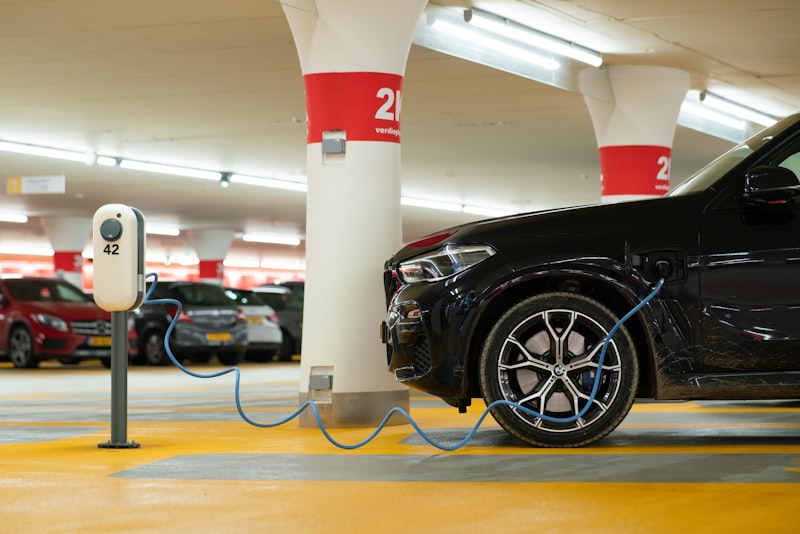
- Charging at home overnight is usually the cheapest option, especially on a lower off-peak rate
- Public slow and medium chargers cost more, though still often less than fuel
- Rapid chargers on the motorway are the priciest way to charge and can approach the cost of petrol
The practical takeaway is that home charging is what makes the running-cost case for an EV really shine. If most of your charging happens on expensive public rapid chargers, the savings shrink and may partly disappear. Setting up how to charge an EV at home is often the single biggest thing you can do to keep an EV cheap to run.
Maintenance and repairs#
This is where electric cars quietly win back money year after year. With no engine oil to change, no spark plugs, no timing belt, no exhaust, and no clutch, a huge chunk of routine servicing simply doesn't exist. Regenerative braking also eases the load on brake pads, so they often last much longer than on a petrol car.
That doesn't mean zero upkeep. Tyres still wear, and the extra weight of the battery can wear them a little faster, so staying on top of tyre condition matters. You'll still replace wiper blades, top up washer fluid, and rotate tyres. But the routine list is genuinely shorter and cheaper.
The one big unknown is the battery itself. Packs are built to last many years and are usually covered by a long warranty, but replacing one out of warranty would be a large bill. In practice, most owners never face it, though it's fair to factor the small risk into your thinking.
Insurance is the piece that can go the other way. Electric cars can sometimes cost more to insure, partly because they're pricier to repair, so it's worth getting real quotes before you buy rather than assuming. The same insurance groundwork you'd do for any car applies here too.
Tyres deserve a specific mention on the cost side. The extra weight of the battery, combined with the instant torque of an electric motor, can wear tyres faster than on a comparable petrol car, and some EVs use specialised tyres that cost more to replace. It's not a huge sum in the scheme of things, but it eats into the maintenance savings a little, so it's fair to include it rather than pretend upkeep is free.
Depreciation, the hidden line item#
The cost people forget is depreciation: the gap between what you pay for a car and what you get back when you sell it. For most cars, this is quietly the biggest expense of all, larger than fuel or servicing over a typical ownership period.
For electric cars, depreciation is harder to predict than usual. The technology is still moving quickly, which can make older EVs feel dated and push their resale values down. On the other hand, strong demand for used electric cars can prop values up in some markets. The honest answer is that it varies, and nobody can promise you a resale figure years in advance.
What you can do is reduce your exposure. Buying a car that already took its steepest depreciation hit, keeping the battery healthy with sensible charging habits, and looking after the car generally all help protect its resale value. A well-kept EV with a healthy battery will always be an easier sell than a neglected one.
Adding it all up#
So does an electric car cost more or less to own? The honest answer is that it depends on you. Someone who drives a lot, charges cheaply at home, and keeps the car for years often comes out clearly ahead, as the running-cost savings overwhelm the higher purchase price. Someone with low mileage, expensive public charging, and a habit of changing cars often may find the sums much closer, or even slightly against.
The way to know is to run the numbers for your own situation rather than trusting a headline in either direction. Add up the realistic purchase cost, your likely charging bills, the lighter maintenance, insurance quotes, and a sober guess at resale, then compare it against the petrol car you'd otherwise buy. If you're still weighing the decision more broadly, is an electric car right for you covers the questions that sit alongside the money.