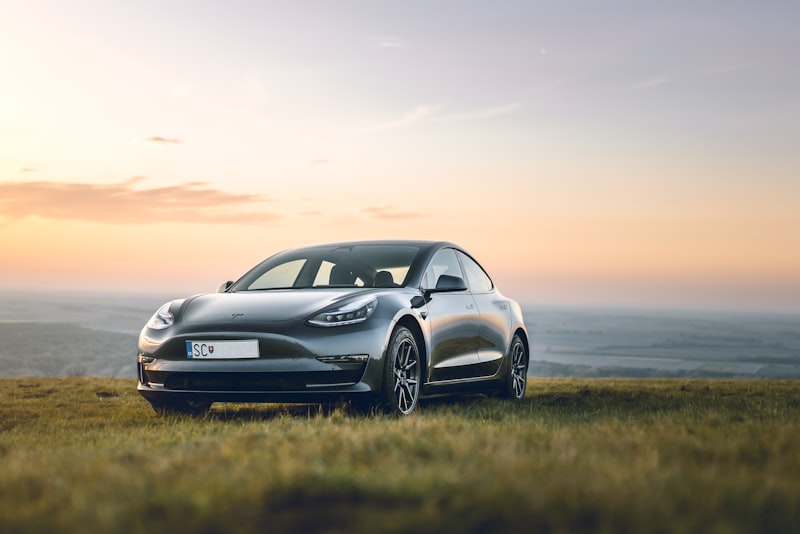
From the outside, an electric car looks like any other car. It has four wheels, doors that shut with the same thunk, and a dashboard that feels familiar the moment you sit down. What changed is everything you can't see.
Under the surface, the noisy, oily machinery of a petrol car has been swapped for something much simpler: a big battery, a motor, and the electronics that manage them. Once you understand those three pieces, the whole thing stops feeling like a mystery.
What replaces the engine#
A petrol car burns fuel in an engine to make the crankshaft spin, and that spinning is what eventually turns the wheels. It takes hundreds of moving parts, a fuel system, an exhaust, and a cooling system to pull that off, and all of them wear over time.
An electric car does the same job with an electric motor. Feed it electricity and it spins; the more electricity you send, the harder it pushes. A motor has very few moving parts by comparison, which is a big reason electric cars are quieter and need less routine attention.
The motor connects to the wheels through a simple, single-speed reduction gear rather than a gearbox with several ratios. Press the accelerator and the car responds almost instantly, because there is no engine to rev up and no gear to select first. That immediate shove is the thing most people notice on their very first drive.
The battery is the fuel tank#
If the motor is the engine, the battery pack is the fuel tank. It sits low in the floor, usually spread across the width of the car, and it stores the electricity the motor draws on. Its size is measured in kilowatt-hours, which is simply a measure of how much energy it holds. A bigger number means more energy stored and, roughly speaking, more distance between charges.
Putting the pack in the floor has a pleasant side effect. All that weight sits low and central, which makes many electric cars feel planted and stable in corners. The trade-off is that the pack is heavy, and that weight shapes how the car rides, brakes, and wears its tyres.
The pack is also the most expensive single part of the car, so it's looked after carefully. Software constantly manages how quickly it charges and how hard the motor is allowed to draw on it, and a cooling system keeps it in a comfortable temperature range. You never touch any of this directly, but it's the reason a modern pack can absorb years of daily charging and still hold most of its capacity. Packs do fade slowly over time, the way an old phone battery does, but the decline is gradual rather than a sudden cliff.
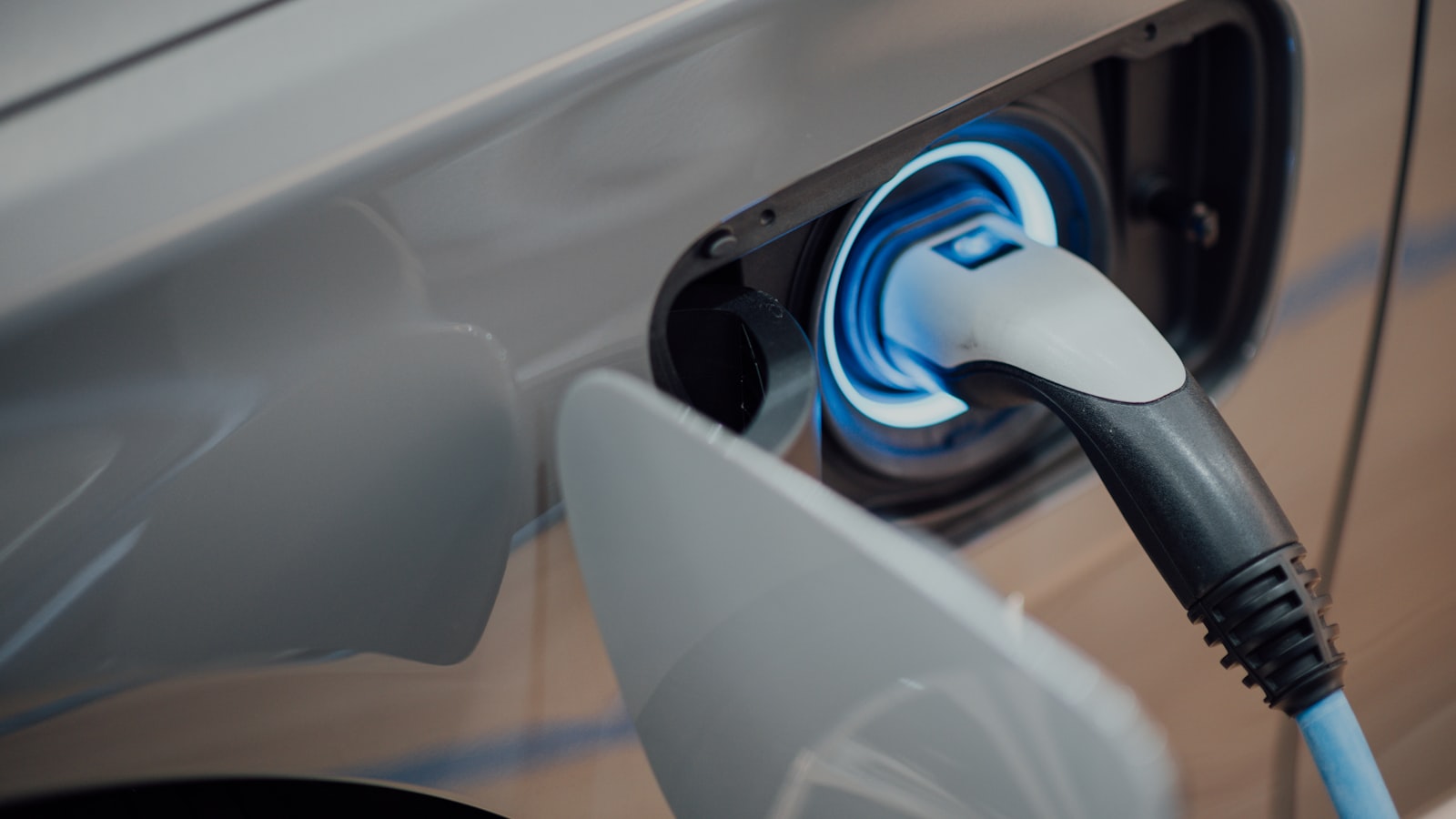
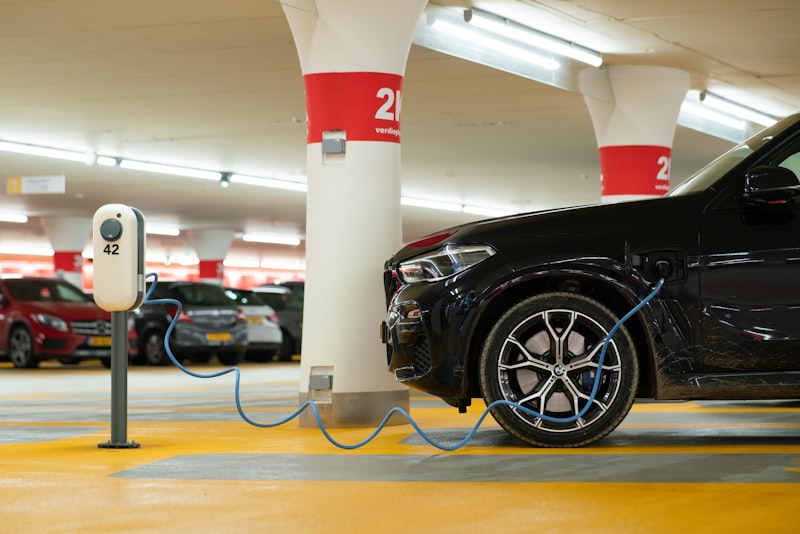
Charging is the part that feels most different from filling a tank, mainly because it takes longer and can happen almost anywhere there's power. If that side of ownership is on your mind, it's worth reading up on how to charge an electric car before you commit, because it shapes daily life more than any spec sheet does.
Why there are no gears#
In a petrol car, gears exist to keep the engine spinning in the narrow range where it makes useful power. Too few gears and the engine strains or bogs down; that's why manuals and automatics juggle several ratios as you speed up.
An electric motor doesn't have that problem. It produces strong pulling power from a standstill and keeps pulling smoothly across almost its entire speed range. Because of that, it simply doesn't need a stack of gears to stay in its sweet spot.
The result is one continuous surge of acceleration with no pauses, no shift shock, and no hunting for the right gear on a hill. There is no clutch to ride and no lever to move. For a lot of drivers, this is the single most relaxing change, especially in stop-and-go traffic where a conventional automatic is constantly shifting up and down.
It changes how the car handles hills and low-speed pulling too. Where a petrol car might drop a gear on a steep climb, an electric motor simply supplies more push, smoothly. Reversing feels identical to going forward, since the motor just spins the other way. These are small details that rarely show up on a spec sheet, but they add up to a car that's noticeably easier to place and control at low speed.
Regenerative braking#
Here's a clever trick that petrol cars can't easily copy. When you lift off the accelerator or press the brake in most electric cars, the motor can run in reverse and act as a generator. Instead of throwing away your speed as heat in the brake pads, it turns some of that motion back into electricity and feeds it into the battery.
This is regenerative braking, and it does two useful things at once:
- It puts a little energy back, which slightly extends how far you can go
- It slows the car without leaning on the friction brakes as hard
Because the friction brakes do less work, brake pads and discs on electric cars often last much longer than on comparable petrol cars. You'll still want to keep an eye on your brakes, since they're still there and still matter, but they tend to be called on far less.
Many electric cars let you turn the effect up high enough to drive with one pedal most of the time: press to go, lift to slow. It feels strange for a day or two, then oddly natural, and a lot of owners never switch it off.
The amount of energy you recover isn't huge, and it drops off in very cold weather or at high speed. Treat it as a helpful bonus rather than a source of free range.
What this means day to day#
Put the pieces together and a clear picture emerges. Fewer moving parts means fewer things to service: no oil changes, no spark plugs, no timing belts, no exhaust to rust through. You still rotate tyres, top up washer fluid, replace wiper blades, and eventually deal with brakes and the battery's slow decline over many years, but the routine list is shorter.
The flip side is that the driving experience and the ownership rhythm both change. You plan around charging instead of fuel stops, you feel instant response instead of gear changes, and you get used to a car that's nearly silent at low speed. None of it is complicated once the basics click, and understanding electric car range is usually the next thing worth getting your head around.
The learning curve is real but short. The first week feels unfamiliar as you adjust to the quiet, the immediate response, and plugging in rather than filling up. After that it fades into the background, and a lot of the old engine worries — a rough idle, a mystery rattle, an expensive belt service — simply stop being part of your life. What's left is a machine that's mechanically calmer than almost anything that came before it.
An electric car isn't magic and it isn't the right fit for everyone. But the machinery behind it is genuinely simpler than what it replaces, and knowing how the battery, motor, and braking actually work turns a lot of the anxiety around these cars into plain, manageable facts.