Range is the number everyone fixates on when shopping for an electric car, and it's the source of most of the worry too. How far will it really go? Will it get me there and back? What happens on a cold morning?
The good news is that range becomes far less stressful once you understand what the headline figure means and what pushes it up or down. It isn't a fixed value stamped on the car; it's an estimate that flexes with the weather, your speed, and how you drive.
Rated range versus real range#
Every electric car is sold with an official range figure, worked out under standardised test conditions. That test exists so buyers can compare cars fairly, and for that job it does fine. What it isn't is a guarantee of what you'll see on any given day.
Think of the rated number the way you'd think of a fuel-economy claim on a petrol car: a useful reference point produced in controlled conditions, not a description of your commute in traffic with the heater on. Real driving almost always lands below the sticker, sometimes by a little, sometimes by a lot, depending on conditions.
A sensible habit is to mentally shave a margin off the official figure and plan around that lower number. Once you've lived with a car for a few weeks, you'll know its real range in your conditions better than any brochure, and the anxiety fades because you're planning around facts instead of a lab result.
It also helps to ignore the number on the dashboard as a precise promise. That readout is the car's best guess based on recent driving, so it climbs after a gentle week and drops after a spell of fast motorway trips. Treat it as a moving estimate that reacts to how you've been driving, not a fuel gauge marked in exact miles, and it stops feeling alarming when it shifts.
Why cold weather hits hard#
Cold is the biggest surprise for new EV owners. Batteries simply don't perform as well when they're cold; the chemistry slows down, and the car may spend energy warming the pack just to work properly. On a hard frost, you can lose a meaningful slice of your usual range before you've driven anywhere.
On top of that, cabin heating draws real power. In a petrol car, heat is a free by-product of the engine burning fuel. In an electric car, there's no waste heat to spare, so warming the cabin comes straight out of the battery.
There are ways to soften the blow:
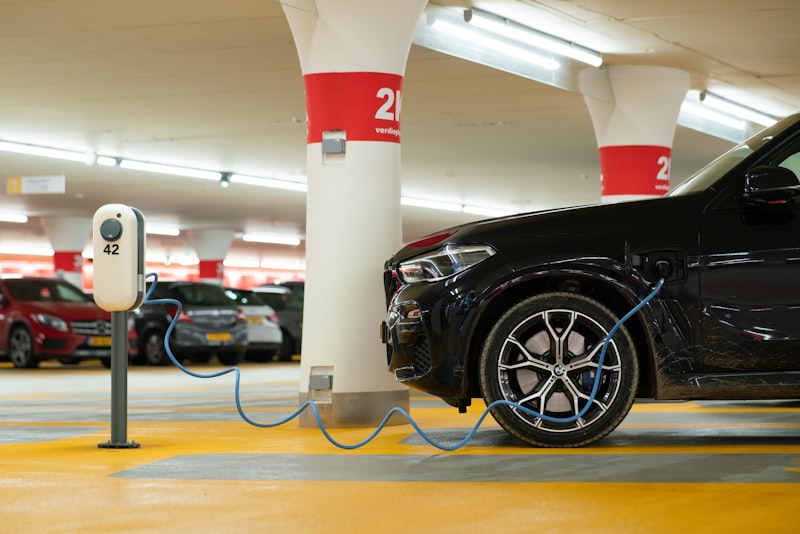
- Warm the cabin while the car is still plugged in, so it uses grid power rather than the battery
- Use heated seats and a heated steering wheel, which warm you directly for far less energy than heating all the air
- Give the battery a little time to warm up on very cold days before expecting full performance
None of this makes winter range vanish as a factor, but it keeps it manageable. Just plan for shorter range in the cold months and don't be alarmed when the number drops.
Speed, weight, and the motorway effect#
The other big lever is speed. At town speeds, an electric car is remarkably efficient, partly because regenerative braking recovers energy every time you slow down. Push the speed up on the motorway and efficiency falls away, because pushing through the air takes rapidly more energy the faster you go.
This catches people out because it's the opposite of the old diesel habit, where a long motorway cruise was the most economical driving you could do. In an electric car, a steady 100 on the motorway will drain the battery noticeably faster than the same distance on slower roads.
If you want to make the range on your longest trips go further, easing off the top speed even a little makes a surprising difference. The gap between a gentle cruise and a hurried one can be the difference between one charging stop and two.
Weight and load matter too. A car packed with luggage, a full family, or a roof box will use more energy, just as it would burn more fuel. A roof box or bike rack is especially costly, because it wrecks the smooth airflow the car was designed around, and the effect grows the faster you drive. Taking the rack off when you're not using it is one of the easiest ways to claw back range on the motorway. A lot of the same instincts from how to improve your fuel economy carry straight over: smooth inputs and steady speeds win.
How your habits change the number#
Beyond weather and speed, your own driving style has a real effect. Hard acceleration followed by hard braking wastes energy every cycle. Smooth, anticipatory driving, where you read the road ahead and coast toward stops, lets regenerative braking do its work and keeps efficiency high.
Small choices add up over a week. Keeping tyres properly inflated reduces rolling resistance, which is as true for electric cars as for any other, so it's one of the simplest gains available. Clearing out unnecessary weight, removing an unused roof rack, and pre-conditioning the car while plugged in all nudge the number upward.
Charging habits play a part in the long game as well. Many owners keep the battery in a middling state of charge for daily use and only fill it fully before a long trip, which is gentler on the pack over the years. That won't change today's range much, but it helps the car hold its range as it ages.
Putting range in perspective#
Here's the part that surprises anxious buyers most: for the vast majority of daily driving, range is a non-issue. Most people travel a modest distance on an ordinary day, well within what even a smaller battery delivers, and they wake up each morning to a car that's been topped up overnight.
The moments that actually test range are the occasional long trips, and those are also the moments when a bit of planning pays off. Once you know your car's honest range in your conditions and where you'll charge along the way, the whole thing settles down.
There's a name for the worry that keeps people up at night: range anxiety. It's real for new owners and almost always fades with experience. After a month or two, you stop watching the percentage obsessively and start trusting that a car you charge at home is simply always ready for your normal day. The fear tends to be worst before you own an EV and mildest once you actually live with one. If you're still weighing whether the numbers fit your life, is an electric car right for you walks through the questions worth asking before you buy.